Eating Disorders Treatment Program
An eating disorder is a serious disease, but there is a path to long-term recovery. Lindner Center of Hope’s eating disorders treatment program helps struggling individuals find the strength to confront and overcome the root causes of their disease and live a fulfilling life committed to health and balance.
The Harold C. Schott Foundation Eating Disorders Treatment Program at Lindner Center of Hope
Lindner Center of Hope offers a multi-disciplinary approach to eating disorder care. Our eating disorder informed approach combines psychiatric management, psychotherapy, and nutritional services throughout the entire process. Board certified clinicians offer the wisdom, compassion and proven treatment modalities to successfully treat complex illnesses such as eating disorders, returning patients to more fulfilling lives.
The Harold C. Schott Foundation Eating Disorders Treatment Program at Lindner Center of Hope includes multiple levels of care for adults and outpatient treatment for adolescents. Services are gender and weight inclusive.
For an initial assessment and consultation with a licensed therapist at Lindner Center of Hope, call 513-536-HOPE (4673). Assessment includes a session with a licensed therapist. The initial assessment is covered by most major insurance plans.
Eating disorders can affect individuals of any age, gender or ethnic background. While the potential warning signs may vary significantly, these are general signs of eating disorders:
- Preoccupation with body shape and/or weight
- Weight fluctuations or unexplained weight changes
- Hiding for hoarding food
- Obsession with diets, calories, food, or nutrition
- Compulsive eating or grazing, or inability to stop eating
- Frequent rigorous dieting, regardless of body weight
- Compulsively arranging food and/or cutting food into tiny pieces
- Eating alone, late night eating, or waking up in the middle of the night to eat
- Rigidity around food – eating only particular types of food and/or at certain times
- Emotional overeating
- Taking laxatives. diet pills, misusing GLP-1s or excessive exercising to prevent weight gain
- Avoiding eating in public and social situations that involve food
- Repeatedly going to the bathroom shortly after meals
- Regular fasting
- Body checking including looking in mirrors or at reflections; pinching, or measuring body parts
- Eating more than someone else would in the same amount of time and feeling out of control
- Significantly limiting the types of foods eaten based on color texture, etc.
- Restricting nutritional intake after a vomiting or choking episode
Qualified eating disorder treatment professionals at Lindner Center of Hope have the experience and tools to identify eating disorders and co-occurring conditions. Often, patients are aware that they need help for an eating disorder, but do not realize that another mental disorder may be the root cause or may be exacerbating symptoms or behaviors.
With a through assessment the treatment team will partner with you to recommend the appropriate level of care, and create a tailored treatment plan.
Causes of Eating Disorders
Nearly 30 million adolescents and adults in the United States suffer from eating disorders.
Eating disorders are neurobiologically based illnesses caused by numerous factors. They can impair normal functioning, hinder mental health and present significant health risks. They often co-occur with other mental disorders, such as depression or anxiety.
A variety of possible genetic, medical, psychological and environmental factors can influence eating disorders. They may include:
- Genetic (or hereditary) factors
- Neurochemical differences
- Biologic changes that occur secondary to weight loss and malnutrition
- Individuals with certain temperament or personality features, such as perfectionism and obsessionality, may be more susceptible to developing eating disorders
- Conflicting social messages about nutrition, aka “diet culture”, can influence the development and treatment of eating disorders
Lindner Center of Hope’s center for eating disorders utilizes eating disorder informed care with individualized treatment plans to help patients succeed
Lindner Center of Hope effectively treats a range of eating disorders, including anorexia nervosa, bulimia nervosa, binge eating disorder, avoidant and restrictive food intake disorder, atypical anorexia nervosa, compulsive exercising, and other specified feeding and eating disorder (OSFED).
For adults, treatment for eating disorders at Lindner Center of Hope is available through inpatient care, eating disorders partial hospital program (PHP), intensive outpatient program, and outpatient care and groups,
For adolescents, treatment for eating disorders at Lindner Center of Hope is available through outpatient care.
The Research Institute at Lindner Center of Hope consistently manages eating disorder-related studies that are working to test new treatment options and increase the knowledge-base about eating disorders.
Outpatient Care for Eating Disorders
 Comprehensive outpatient services for eating disorders led by experts in the clinical practice group, Lindner Center of Hope Professional Associates (LCOHPA), establishes an individualized treatment approach that allows patients struggling with eating disorders to participate in meaningful care. Caregivers/supports can also receive support and education on understanding and working with the loved one suffering from an eating disorder. Outpatient treatment helps patients continue their recovery while maintaining normal life activities.
Who Benefits
- Adults and adolescents across the gender spectrum (10 and older) with eating disorders who are able to participate successfully in regularly scheduled outpatient visits and who are not at medical risk
- Caregivers/supports who are struggling with a loved one’s eating disorder
Eating Disorder Treatment Program Outpatient Intake Form
In addition to individual outpatient services, we offer a multitude of therapeutic group offerings. To view the menu of groups click here.
Inpatient Treatment for Eating Disorders
The clinicians at Lindner Center of Hope understand that eating disorders are a form of mental illness. That’s why patients with eating disorders live and receive treatment side-by-side with patients facing other mental illnesses. However, Eating disorders have the highest risk of death of any mental illness. Due to this concern, stabilization is necessary to save lives. Treatment is provided in a positive, open care environment with 24-hour support every day.
Adults struggling with eating disorders may benefit from stabilization through an inpatient hospitalization. Lindner Center of Hope offers inpatient treatment for eating disorders on two adult inpatient units with care managed by members of the Harold C. Schott Foundation Eating Disorders Program.
Effective, inpatient treatment for eating disorders includes:
- A multidisciplinary approach combining psychiatric management and nutritional services
- Personalized treatment plans
- Monitoring and reduction of refeeding risk
- Frequent assessment of labs and subsequent correction of electrolytes and vitamin deficiencies
- Dietitian guided advanced meal planning to reach appropriate nutrition level
- Monitoring of orthostatic vital signs
- Daily blinded weights
- Weight restoration to step down to partial hospitalization or residential
- Management of co-occurring psychiatric disorders
The treatment team works with each patient to confront personal challenges and break the cycle of disordered eating.
Who Benefits from Inpatient Treatment for Eating Disorders
- Adults who are struggling with eating disorders
- Patients who have not progressed in recovery with other treatment programs or whose eating disorder has led to dangerous medical consequences
Click here to download the patient referral form.
Adult Partial Hospitalization for Eating Disorders
This intensive treatment option provides a therapeutic, supportive environment for patients age 18 and older struggling with eating disorders. Lindner Center of Hope staff provide adult partial hospitalization programming. This program can assist patients transitioning from an inpatient stay to daily routine and home environments. Families also receive extensive support and education on understanding and working with the loved one suffering from an eating disorder. Partial hospitalization can also be considered as a treatment alternative to full hospitalization.
For adults, treatment for eating disorders at Lindner Center of Hope is available through inpatient care, eating disorders partial hospital program (PHP), intensive outpatient care, and outpatient care.
Who Benefits
- Individuals (ages 18 and older) who are facing the challenges of an eating disorder, and their parents or family members
- Patients who need a more intensive, structured program than traditional outpatient visits can provide
- Patients who may not require hospitalization, but who may benefit from hands-on intensive day-long therapy without requiring an overnight stay
- Patients transitioning from hospitalization who need on-going, intensive care
Learn more about partial hospitalization for adults here.
Eating Disorder Intensive Outpatient Program at Lindner Center of Hope
The Eating Disorder Intensive Outpatient Program at Lindner Center of Hope (EDO IOP) is a treatment program designed to provide more intensive treatment for eating disordered patients for those who are not benefitting from outpatient treatment but do not meet criteria for partial hospitalization or inpatient treatment. The goals of EDO IOP are to continue behavioral interruption, weight restoration as clinically indicated, nutritional support and planning, develop coping skills, and to assist patients in the management of their disease and symptoms to the point that traditional outpatient services will be effective. EDO IOP is often used as step-down treatment from partial hospitalization with the intent of transitioning the patient back into their home environment and healthy routines. As such, EDO IOP is a cost effective option for patients who meet admission criteria for this program.
EDO IOP traditionally operates Tuesday through Friday from 3:00 PM – 6:00 PM on the campus of the Lindner Center of Hope at 4075 Old Western Row Road, Mason, 45040. Alternative days will be identified when programming is closed due to holidays. Patients are expected to arrive at 2:30 PM for check in. Patients will also be expected to schedule with an individual therapist trained in eating disorders at Lindner Center of Hope during the duration of the program. Duration of the program is based on individual progress towards established goals.
Who Benefits
The Eating Disorder Intensive Outpatient Program at Lindner Center of Hope (EDO IOP) is a treatment program designed to provide intensive treatment for eating disordered patients who do not meet criteria for partial hospitalization but who are not stable enough to be treated in the traditional outpatient setting. The goal of EDO IOP is behavioral interruption, weight restoration as clinically indicated, nutritional support and planning, instruction of cognitive coping skills, and to assist patients in the management of their disease and symptoms to the point that traditional outpatient services will be effective. EDO IOP is often used as step-down treatment from partial hospitalization with the intent of transitioning the patient back into their home environment and healthy routines.
Learn more about the Eating Disorder Intensive Outpatient Program.
Research Programs to Advance Eating Disorders Treatment
The Research Institute at Lindner Center of Hope, in affiliation with the University of Cincinnati (UC) College of Medicine, conducts research to better prevent, diagnose and treat common mental illnesses, including eating and weight disorders. Typically it can take up to 17 years before research findings become fully integrated into routine diagnostics and treatment. However, at Lindner Center of Hope, research informs patient care each and every day.
Current Research Studies
Research in genetics, brain imaging, psychopharmacology and psychotherapy advances the treatment of eating disorders. The professional staff closely integrates research studies into programs to benefit patients and the treatment of eating disorders. Patients interested in participating in specific studies apply through Lindner Center of Hope.
Visit the Research Institute page for more information about current studies.
Highly Qualified Team Tailors Treatment to the Individual
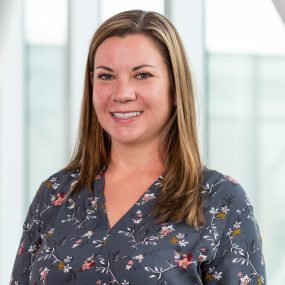
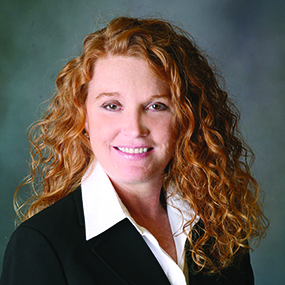
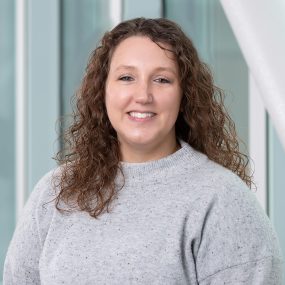
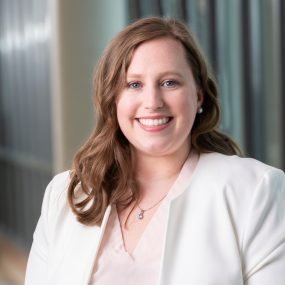
The team at the Harold C. Schott Foundation Eating Disorders Program at Lindner Center of Hope is nationally recognized for their scientifically proven methods and progressive expertise in assessing and treating eating disorders.











Lindner Center of Hope Library: Resources for Eating Disorders
Are you ready to make a change? Patients facing eating disorders and their families can use these resources to better understand and take the first steps toward treatment and recovery.
WEB SITES
National Association of Anorexia Nervosa and Associated Disorders https://anad.org/
National Center of Excellence for Eating Disorders https://nceedus.org/
Project Heal https://www.theprojectheal.org/
National Alliance for Eating Disorders https://www.allianceforeatingdisorders.com/
Academy for Eating Disorders https://www.aedweb.org/home
Families Empowered and Supporting Treatment of Eating Disorders (FEAST) https://feast-ed.org/
Eating Disorder Coalition https://www.eatingdisorderscoalition.org/
Eating Disorder Topics that Matter
Weight Stigma & Eating Disorders https://www.theprojectheal.org/blog/weight-stigma-modern-culture
Family Based Treatment for Eating Disorders https://childmind.org/article/family-based-treatment-for-eating-disorders/
Not Sure How to Talk to a Loved One about Eating Disorders? Read This. Https://anad.org/talking-with-loved-one/
PTSD & Eating Disorders https://anad.org/ptsd-and-eating-disorders/
Body Image & Society: How External Pressures Fuel Internal Struggles https://www.allianceforeatingdisorders.com/body-image-and-society/
Compulsive Exercise: When Fitness Becomes Unhealthy https://www.allianceforeatingdisorders.com/compulsive-exercise-when-fitness-becomes-unhealthy/
BOOKS
Where to Start

From the Experts
Sick Enough by Jennifer Gaudiani
100 Questions and Answers about Anorexia Nervosa by Sari Shepphirds
Crave: Why You Binge Eat and How to Stop by Cynthia M. Bulik
Intuitive Eating by Evelyn Tribole & Elyse Resch
Regaining Your Self: Breaking Free From the Eating Disorder Identity: A Bold New Approach by Ira M. Sacker and Sheila Buff
The Beginners Guide to Eating Disorders Recovery by Nancy J. Kolodny, MA, MSW, LCSW
First Hand Stories of Recovery
Life Without ED: How One Woman Declared Independence from Her Eating Disorder and How You Can Too by Jenni Schaefer, Thom Rutledge
Gaining: The Truth About Life After Eating Disorders by Aimee Liu
Brave Girl Eating, Harriet Brown
Pound for Pound by Shannon Kopp
Making Peace with Your Plate by Robyn Cruze & Espra Andrus
Healing our Relationship with Our Bodies
The Body is Not an Apology by Sonya Renee Taylor
More than a Body by Lindsay Kite and Lexie Kite
What We Don’t Talk About When We Talk about Fat by Aubrey Gordon
You Just Need to Lose Weight by Aubrey Gordon
Wisdom of Your Body by Hillary McBride
Anti-Diet by Christy Harrison
Belly of the Beast- Da’Shaun Harrison
Body of Truth by Harriet Brown
Reclaiming Body Trust by Hilary Kinavey and Dana Sturtevant
Real Gorgeous: The Truth about Body and Beauty by Kaz Cooke
Workbooks
The Mindful Self-Compassion Workbook by Kristin Neff
8 Keys to Recovery from an Eating Disorder by Carolyn Costin and Gwen Schubert Grabb
The Radically Open DBT Workbook for Eating Disorders: From Overcontrol and Loneliness to Recovery and Connection by Karyn Hall, Ellen Astrachan-Fletcher, Mima Simic
The Body is Not an Apology Workbook by Sonya Renee Taylor
Diet Survivor’s Handbook by Judith Matz and Ellen Frankel
Intuitive Eating Workbook by Evelyn Tribole & Elyse Resch
For Caregivers
Help Your Teenager Beat an Eating Disorder by James Lock and Daniel le Grange
Skills-based Learning for Caring for a Loved One With an Eating Disorder: The New Maudsley Method by J. Treasure, G.Smith and A.Crane
Surviving an Eating Disorder: Strategies for Family and Friends by Michele Siegel, Judith Brisman and Margot Weinshel
When Your Child Has an Eating Disorder: a Step-by-Step Workbook for Parents and Other Caregivers by Pam Carlton, MD
The Parent’s Guide to Eating Disorders: Supporting Self-Esteem, Healthy Eating, and Positive Body Image at Home by Marcia Herrin and Nancy Matsumoto
When Your Child Is Cutting; A Parent’s Guide to Helping Children Overcome Self-Injury by Merry E. McVey-Noble, Fugen Neziroglu, Sony Khemlani-Petal
How to Raise an Intuitive Eater by Sumner Brooks & Amee Severson
Eating With Your Anorexic by Laura Collins