Sibcy House
Adult Residential Programs for Mental Health and Addiction
Comprehensive Assessment & Residential Treatment
At Sibcy House, part of Lindner Center of Hope, treatment begins differently. Many people arrive here after trying other programs and still feel unseen, unclear, or uncertain about the path forward. That’s why everything here starts with finding real clarity.
Our residential program combines a comprehensive diagnostic assessment, a structured therapeutic foundation, and individualized treatment pathways, so care isn’t just personalized in name. It’s built around who you are, what you’re navigating, and where you want to go.
Located on 54 wooded acres in Mason, Ohio, Sibcy House serves adults age 18 and older with complex, co-occurring mental health and addiction presentations.
How Treatment Works
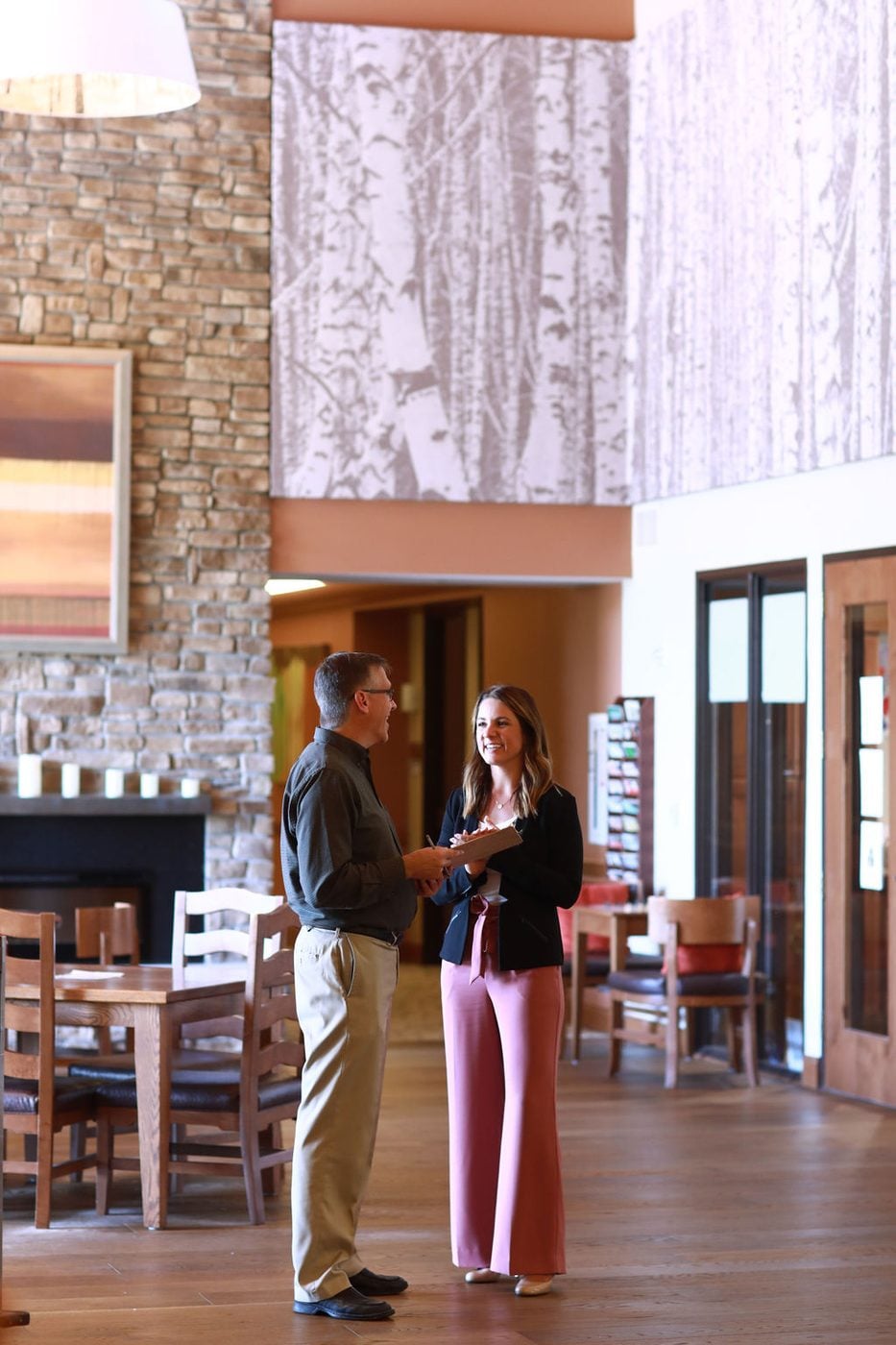
The Foundational Framework
Every treatment journey at Sibcy House begins with an assessment and stabilization period. This early phase is how we get to know you: your story, how your symptoms interact, and which approaches are most likely to support your goals.
From there, you move into the Foundations Program: a structured set of groups and individual work designed to build stability, insight, and readiness for deeper, individualized therapeutic work.
You’ll receive a personalized schedule typically around 7–10 days into your stay, once your initial assessment and stabilization period are complete. Clinical groups run Monday through Friday, 9:00 AM – 4:30 PM.
What Foundations Builds
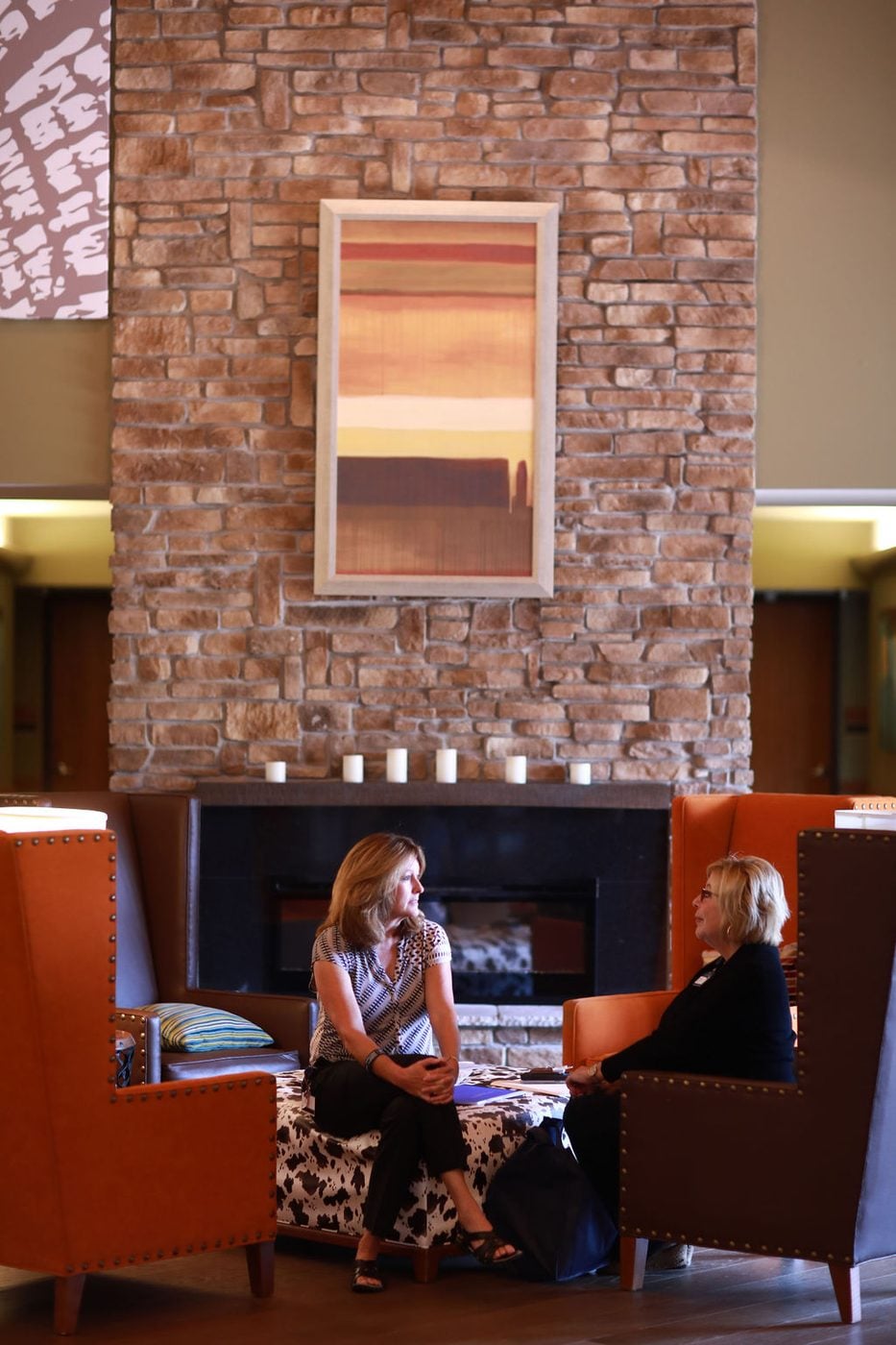
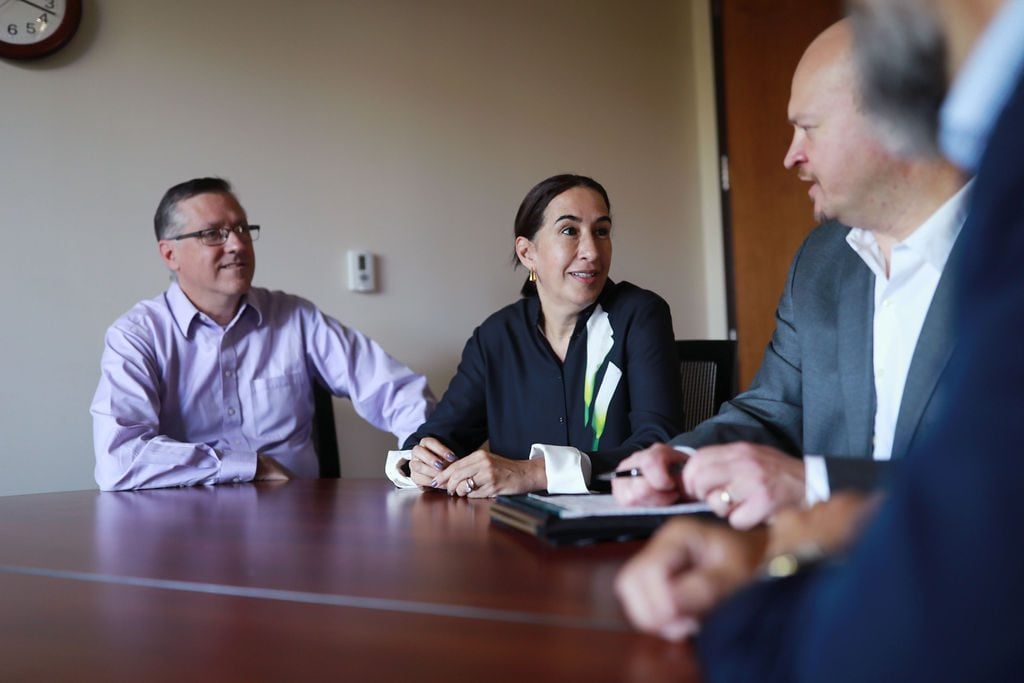
The Foundations Program is designed to create a steadier starting point before treatment becomes more specialized.
Residential Pathways
As your needs become more clearly defined, your treatment team may recommend transitioning into one or more specialized Residential Pathways. These build directly on your foundation and focus on the areas where you need the most support.
Mood Stability
Emotional patterns, consistency, structured daily routines, and values-guided coping strategies
Trauma Recovery
Safety and stabilization, nervous system regulation, readiness for deeper trauma work
Anxiety & OCD
Two tracks: one focused on gradually facing fears and reducing rituals and compulsions, and a general track for broader anxiety
Mania Pathway
Mood stabilization, relapse prevention, structured daily routines, and values-guided coping strategies
Psychosis Pathway
Understanding symptoms, building coping skills, supporting daily functioning
Addiction Recovery
Relapse prevention, values-based recovery, closed group setting
Overcontrol Personality Pathway
RO-DBT, openness, flexibility, authentic social connection
Undercontrol Personality Pathway
DBT, emotion regulation, impulse control, interpersonal effectiveness
Some people continue in Foundations longer when stabilizing and building structure are the primary goals, and that’s entirely appropriate. Your care is paced to fit you. Programming supports stays of up to 90 days for patients continuing to follow their treatment plan.
Your Treatment Team
Your care is supported by a dedicated multidisciplinary team who collaborate daily.
Attending Provider
Oversees your psychiatric care, including medication management and ongoing monitoring.
Therapist
Provides individual therapy, helps you set and work toward your treatment goals, and serves as the primary point of contact for your family.
Care Coordinator
Works with you, your family, and your treatment team to plan for discharge and coordinate next steps in your care.
Behavioral Health Coaches
Teach, support, and help you practice skills that strengthen your treatment progress, including between sessions and during daily life on the unit.
The unit is staffed 24/7 by Mental Health Specialists and Registered Nurses.



















Comprehensive Diagnostic Assessment
For many individuals at Sibcy House, treatment begins with a Comprehensive Diagnostic Assessment (CDA): a thorough, collaborative evaluation designed to answer a central question: What is really going on, and how should care move forward?
The CDA is typically completed over 10 days and is more than a clinical evaluation; it’s an opportunity to pause, reflect, and gain a deeper understanding of yourself.
What the CDA Includes
Clinical Evaluation
- Psychiatric evaluation including psychopharmacological assessment
- Psychological and neuropsychological testing
- Structured Clinical Interview (SCID)
- Neurodivergence/autism assessment
Whole-Person Assessment
- Assessment for addictions, including behavioral addictions
- Nursing, nutritional, and physical assessment
- Spiritual assessment upon request
- Recreation therapy assessment
Planning & Observation
- Psychosocial assessment and aftercare planning
- Pharmacogenetic testing when indicated
- Clinical observation through group and milieu participation
- Clear recommendations for next-step care
The Feedback Meeting
Around Day 7, you’ll participate in a CDA Feedback Meeting, a collaborative conversation in which your team shares what they’re learning and discusses the themes emerging from your assessment. You’re welcome to invite family members, outpatient providers, or other trusted supports.
After the CDA
You’ll receive a comprehensive written report integrating findings from all disciplines, designed to be clear and useful as you move forward. Some residents transition to next-step care after the CDA; others continue in residential treatment to build on the clarity they’ve found here.
To learn more about the CDA process, call us at 513-536-0537 or contact our admissions team.
Additional Wellness Offerings
Alongside core clinical programming, Sibcy House offers a range of guided wellness experiences to support your recovery and help you reconnect with yourself.
Expressive Therapy
Art, writing, music, and movement to help you express emotions and explore your experience without needing to find the perfect words.
Music Therapy
Evidence-based use of music for grounding, expression, and emotional processing.
Nutrition Group
Practical guidance on nourishment, energy, and how food affects emotional wellbeing.
Recreation Therapy
Activity-based sessions to build confidence, practice healthy coping, and reconnect with meaningful activities.
Spiritual Wellness
An inclusive space, open to all beliefs, to explore meaning, values, purpose, and connection.
Pharmacology Group
Led by a licensed pharmacist; covers how psychiatric medications work, common side effects, interactions, and practical questions.
Life at Sibcy House
Daily Structure
Clinical groups run Monday through Friday, 9:00 AM – 4:30 PM. Weekends include psychoeducation groups, recreational therapy, therapeutic outings, and optional Saturday massages, with time also available for therapeutic leaves of absence with treatment team approval.
Exercise & Movement
- Onsite gym daily: 8:00–8:45 AM and 4:45–6:00 PM
- Wednesday yoga with Dr. Brandi: 4:00–5:00 PM
- Saturday access to the Mason Community Center, including fitness studios, a rock-climbing wall, an indoor walking track, a 50-meter pool, aquatic center, and more
Visitors
Up to two visitors at a time, for up to two hours, scheduled 24 hours in advance.
- Monday–Friday: 5:00–9:00 PM
- Saturday–Sunday: 8:00 AM–9:00 PM
Who We Help
Sibcy House serves adults across life stages facing complex, unclear, or treatment-resistant presentations.
Residential care may be a strong fit for individuals who:
Adults across life stages
Late Teens (18–19)
Early intervention for emerging conditions, coping skills for independence, family therapy, future planning, and education around substance use.
Early Adulthood (20–35)
Diagnostic clarity, values and identity exploration, motivation for recovery, and navigating mental health in college and early career.
Mid-Life (35–50)
Stress management, support for high-responsibility professionals, and coping with life transitions.
Mature Adulthood (50–80)
Evaluation and direction-setting, adjusting to retirement and role changes, coping with aging, grief, chronic illness, and network-building.
Late Adulthood (80+)
Assessment and planning, coping with aging and failing health, and chronic pain support.
What’s Included
Clinical Care
- Psychiatric evaluation and ongoing medication management
- Individual therapy with a licensed therapist
- Neuropsychological and specialty testing (as indicated)
- Multidisciplinary team collaboration and case conferencing
- Comprehensive Diagnostic Assessment (CDA) for eligible patients
- Comprehensive written diagnostic report
- Discharge planning and care coordination
Therapeutic Programming
- Foundations groups (Monday–Friday)
- Specialized Residential Pathways (Mood Stability, Trauma Recovery, Anxiety/OCD, Mania, Psychosis, Addiction Recovery, DBT, RO-DBT)
- Process groups and individual coaching
- Expressive therapy, music therapy, and recreation therapy
- Pharmacology psychoeducation
- Spiritual wellness groups
- Yoga
Environment & Amenities
- Private rooms on a secure residential unit
- 54-acre wooded campus in Mason, Ohio
- Onsite gym access (daily)
- Mason Community Center access (Saturdays)
- Meals with multiple daily entree selections
- 24/7 staffing by Mental Health Specialists and Registered Nurses
Not sure if residential treatment is right for you or your loved one? View our Guide to Residential Mental Health.
Ready to Take the Next Step?
Whether you’re seeking care for yourself or a loved one, our admissions team is here to help you understand your options, answer your questions, and move forward with confidence.
Reach Our Residential Admissions Team
Whether you’re seeking care for yourself or a loved one, we’re here to help. Fill out the form and a residential admissions specialist will contact you to answer your questions and walk you through the admissions process.
287 text (settable, string)
Sibcy House
Adult Residential Programs for Mental Health and Addiction
Comprehensive Assessment & Residential Treatment
At Sibcy House, part of Lindner Center of Hope, treatment begins differently. Many people arrive here after trying other programs and still feel unseen, uncl