Frequently Asked Questions (FAQs)
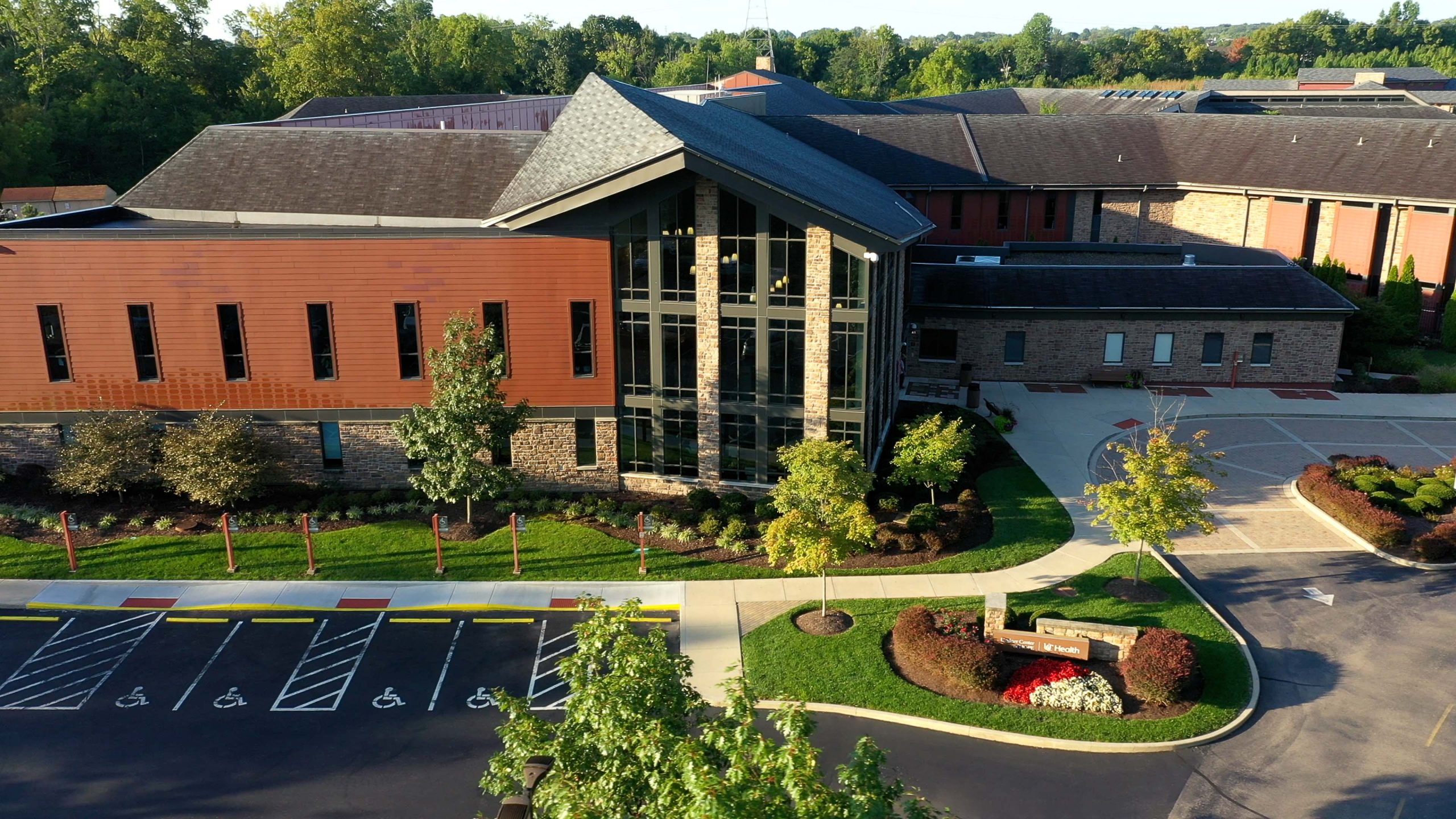
About Lindner Center of Hope
What is Lindner Center of Hope?
Lindner Center of Hope is a comprehensive mental health and addiction treatment center offering outpatient, residential, inpatient, and specialized assessment services. Services are available for children, adolescents, and adults. Our clinical teams provide evidence-based care for a wide range of mental health conditions.
Where is Lindner Center of Hope located?
We are located in Mason, Ohio, just north of Cincinnati. Our campus provides both clinical and residential treatment settings in a therapeutic environment.
What makes Lindner Center of Hope different?
What sets us apart is our depth of assessment, interdisciplinary expertise, and individualized approach. We take time to truly understand the whole person—biologically, psychologically, socially, and emotionally—before determining the best course of treatment. Our clinicians are nationally recognized experts, and our programs are grounded in research and best practices.
Accessing Care
How do I make an appointment or start services?
To begin the process, contact our Admissions/Intake Department by phone. Our team will gather initial information, discuss your needs, and guide you to the appropriate level of care.
How do I become a new patient of one of Lindner Center’s outpatient providers?
Lindner Center of Hope outpatient professional services is accepting new patients. To start the intake process you can complete our online form. If you prefer to complete our intake process by talking to a member of our staff, please call 513-536-0570. Our intake staff work Monday – Friday, 8am – 5 pm (excluding holidays). If the line is busy when you call, please leave a message on the answering machine.
Do I need a referral from a doctor?
No. Individuals and families may contact us directly. However, we also work closely with physicians, therapists, schools, and community partners who refer to our services.
Do you accept insurance?
Many of our outpatient and inpatient services accept insurance. Residential services are not in network with insurance; however, insurance and single-case agreements may apply on a case-by-case basis. Our team can help verify benefits and explain coverage options.
Treatment Services
What conditions do you treat?
We treat a wide range of mental health and addiction concerns, including depression, anxiety disorders, bipolar disorder, OCD, eating disorders, personality disorders, trauma-related conditions, attention disorders, addiction, schizophrenia, co-occurring disorders, and more.
What levels of care are available?
We offer multiple levels of care to match each patient’s needs, including:
- Outpatient therapy and medication management
- Partial Hospitalization Program (PHP)
- Intensive Outpatient Program (IOP)
- Inpatient hospitalization
- Short-term diagnostic assessment
- Comprehensive diagnostic and residential services
How do I know which type of treatment is right for me or my loved one?
Our admissions/intake clinicians will help determine the most appropriate level of care based on symptoms, safety concerns, past treatment history, and personal goals.
How successful is treatment at Lindner Center of Hope?
Success looks different for every person, but our outcomes consistently show meaningful improvement in symptoms, functioning, and quality of life. Many individuals come to Lindner Center after other treatments have not worked. Through comprehensive assessment, individualized care, and a highly specialized clinical team, patients often gain clarity, stability, and a renewed path forward.
Our focus is not just short-term symptom relief, but long-term understanding, resilience, and recovery.
What is a comprehensive assessment?
A comprehensive assessment is an in-depth evaluation designed to understand the full picture of an individual’s mental health. It may include psychiatric evaluation, psychological testing, medical review, therapy sessions, and observation over time. This process helps clarify diagnoses and guide the most effective treatment recommendations.
Is assessment right for me
Assessment may be right for you if:
- You have tried treatment before but have not experienced lasting improvement
- You are unsure of your diagnosis or feel it may be incomplete
- Symptoms are complex, severe, or changing
- You want clarity to guide next steps in care
- You or a loved one feel “stuck” and need a fresh, expert perspective
Many people find that assessment provides answers, direction, and hope—even if they are unsure about next steps.
Do I need to commit to long-term treatment?
No. Assessment is often a starting point. Some individuals continue into treatment at Lindner Center of Hope, while others use the assessment findings to pursue care closer to home. Our goal is to provide clarity and recommendations that best support each person’s needs, regardless of where care ultimately occurs.
Specialized Programs
Do you offer services for adolescents?
Yes. We provide outpatient, assessment, and partial hospitalization services for adolescents. Cincinnati Children’s Hospital Medical Center offers inpatient hospitalization for youth ages 12–17 at the Lindner Center of Hope location.
Do you have specialized treatment for eating disorders?
Yes. Lindner Center of Hope offers specialized inpatient, outpatient, and residential services for eating disorders through a multidisciplinary team.
What is the Diagnostic Assessment Program?
Our diagnostic programs provide an in-depth, multi-day evaluation to clarify diagnoses and treatment recommendations. These assessments benefit individuals with complex, treatment-resistant, or unclear mental health conditions.
Crisis & Safety
What should I do if someone is in a mental health crisis?
If you or someone else is experiencing a mental health emergency or is in danger, call 911 or go to the nearest emergency room. For non-emergency situations, contact our Admissions/Intake Department for guidance.
Do you offer same-day or urgent appointments?
Availability varies. Our admissions/intake specialists can help determine next steps and discuss the quickest path to care.
How do I know if it’s time to reach out?
If mental health or substance use concerns are interfering with daily life, relationships, work, or overall well-being—or if you simply feel uncertain about the path forward—it may be time to reach out. Asking for help is a sign of strength, and early clarity can make a meaningful difference.
Family, Community & Education
How can family members be involved in treatment?
Family involvement is encouraged. Participation varies based on program type, clinical recommendations, and patient preferences.
What role do families play?
Families are often an important part of the healing process. When appropriate, we engage families through education, communication, and support, helping them better understand the illness and how to support recovery.
Do you offer community education or training?
Yes. Lindner Center of Hope provides educational programming for students, professionals, employers, schools, and community organizations. We are expanding these efforts through our developing Educational Institute.
Visiting the Center
What should I bring for an inpatient or residential stay?
Before admission, you will receive a list of permitted and restricted items. Our team will help you prepare and answer any questions about the process.
What is the visitor policy?
Visitor policies vary by unit and level of care and may change based on safety guidelines. Please contact us for the most up-to-date information.
General Questions
How can I support Lindner Center of Hope?
You can support our mission through donations, sponsorships, volunteer opportunities, or participation in events such as Touchdown for Hope. Contact our Advancement/Development Office for more information.
How do I contact Lindner Center of Hope?
You can reach us by phone, through our website’s contact form, or by visiting our campus. For urgent mental health needs, please call us directly rather than using the online form.