Empowering Women

By: Kristina Tracy, LISW-S, Outpatient Therapist, Lindner Center of Hope
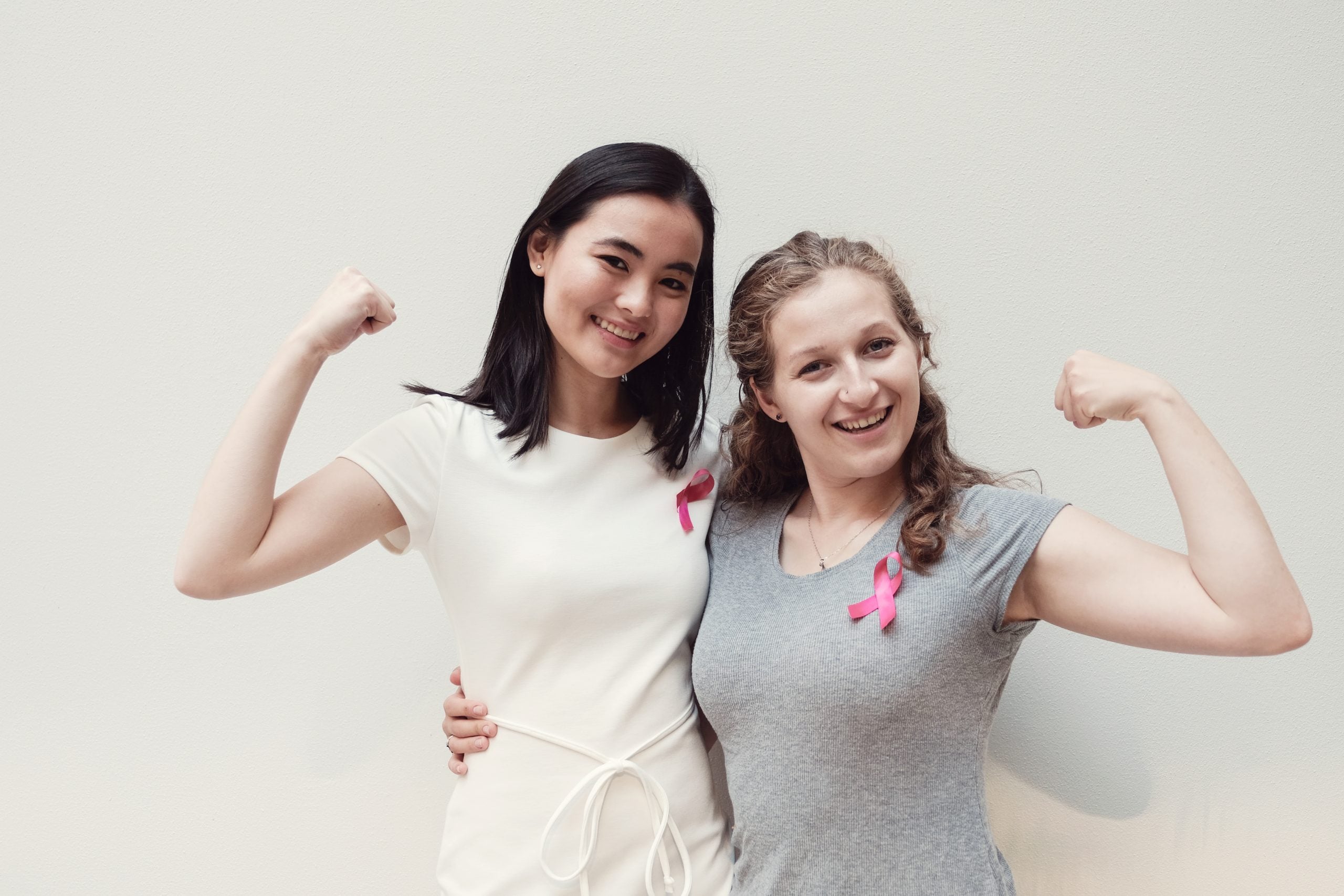
Women’s ability to develop autonomy and self-determination begins with cultivating a strong and well-established sense of self-esteem. Self-esteem is a person’s overall sense of their own worth, value, and competence. This influences how they think, feel, and behave. Self-esteem refers to your thoughts and feelings about yourself in specific contexts, often influenced by achievements, appearance, or feedback from others. It is dynamic and can fluctuate depending on circumstances. Your esteem comes from your confidence in your abilities and a realistic assessment of your strengths. Self-esteem in not permanent it can fluctuate and be improved with effort.
Building self-esteem as woman involves practicing self-compassion, setting boundaries, celebrating achievements, and cultivating positive self-talk. Doing these things help strengthen confidence and self-worth. Here are 6 ways to boost self-esteem:
- Practice Positive Self Talk- Treat yourself with kindness, replace critical thoughts, and challenge negative thoughts.
- Set Boundaries and Protect Your Energy- Say no! Boundaries help you become stronger, more respected, and prevent burnout.
- Celebrate the Small Wins- Recognizing progress shifts your mindset to a sense of competence.
- Prioritize Self Care- Nourish your body, mind, and soul through sleep, nutrition, exercise, and relaxation. Self-care reinforces self-respect and emotional stability.
- Surround Yourself with Supportive People- Engage with others that uplift you. Positive social connections strengthen self-worth.
- Learn and Grow Continuously- Pursue new skills, hobbies, or knowledge. Growth enhances confidence and capability.
Negative self-esteem deepens when women start to compare themselves. Chronic comparison can strain relationships, feed envy, create insecurity, and/or develop an irrational sense of reality. When a person’s sense of value hinges on external markers, comparison can become a substantial destructive component. Comparing yourself to others is often seen as normal but constant upward comparison tends to wear down mood and self-worth. Research by Vogel and colleagues in 2014 found that social media use, which is saturated with idealization, was associated with lower self-esteem for many users. Social media often feeds “highlighted” reels against most persons unrealistic versions of self or life. Making this a defeated vibe for others. Modern environment supercharges the tendency to compare chipping away at how women think and feel about themselves. A practical shift in redirecting comparison is helpful. Learning to measure progress against your own past self tends to feel more motivating and inspiring. Grounding yourself in self-worth allows you to appreciate your abilities and build confidence. Visualizing your best self helps you achieve your goals and embody confidence to reinforce positive perception. Remember upward comparison often steals your joy thus more effort to combat it will always be a win!
Women supporting women is another helpful strategy to increase your self-worth. Women supporting one another creates a foundation of trust, safety, and understanding. It allows for open conversations about our struggles and victories making our journey less likely to upwardly compare and less isolating. Women need mentorship and inspiration. When women lift one another up instead of competing or tearing each other down, they create stronger personal and professional relationships and communities. This support creates a network allowing for women to champion each other, build stronger teams, and become empowered. Women helping women shape progress, nurture leadership, creates opportunities, and sustains inclusion. When women support each other, they create a culture where success is celebrated rather than compared, their strengths are recognized rather than criticized, and every woman has the opportunity to feel valued, empowered, and supported. Women need the emotional support of other women to create a continuing cycle of empowerment!
References
Adu Boateng, Rita (2025). Women supporting women: Why it matters.