Medications in the Treatment of Bipolar Disorder: A Current Overview
 By John Hawkins, MD,
Director of the Bipolar Disorders Clinic and Staff Psychiatrist
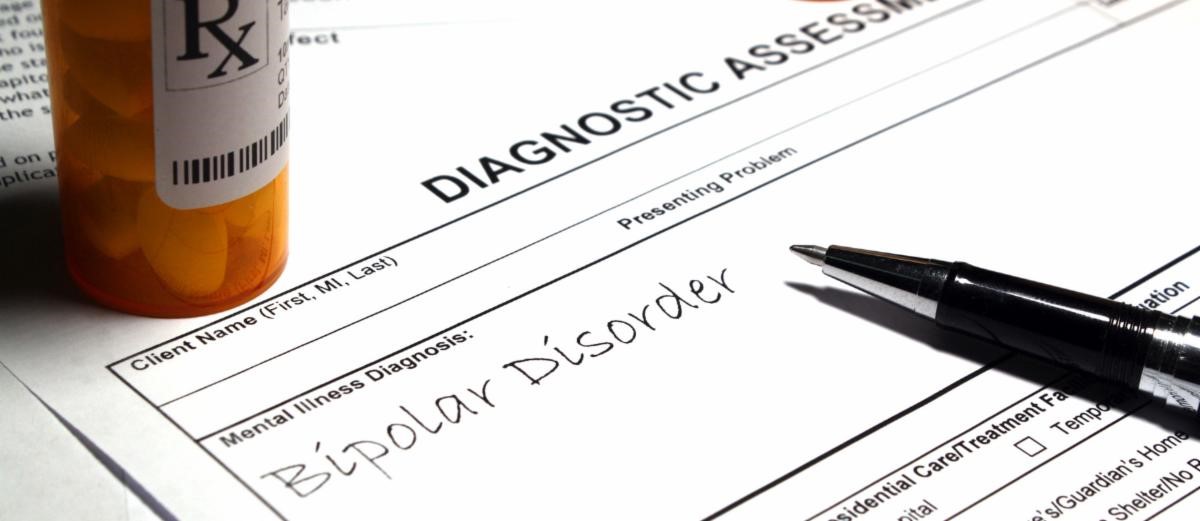
Bipolar disorder is a mental health condition characterized by significant shifts in mood, energy, activity levels, concentration, and the ability to carry out day-to-day tasks. The episodes can include periods of unusually elevated or irritable mood (mania or hypomania) and depressive episodes. Many times, mania/hypomania and depressive symptoms can occur at the same time, which is known as a mixed episode.
Medications play a central role in managing bipolar disorder. Current best practices recognize the importance of tailoring medication interventions based on the phase of illness, previous treatment response, and individual tolerability. Here is a brief review.
Mood stabilizers
These are a cornerstone of bipolar disorder treatment, helping to regulate mood swings and prevent both manic and depressive episodes. These fall into three classes: 1) Lithium, 2) Anticonvulsant medications, and 3) Antipsychotics.
Lithium
- Considered the first-line treatment for classic euphoric mania and has been shown to be effective in preventing both manic and depressive relapses.
- It also plays a role in reducing the risk of suicide in individuals with bipolar.
- Requires careful monitoring of blood levels due to a narrow therapeutic window and potential side effects, including kidney and thyroid problems.
- Common side effects include increased urination, thirst, tremor, and weight gain.
Anticonvulsants
Originally developed to treat seizures, they are also used as mood stabilizers.
Valproic acid (Depakote)
- Effective for acute mania, mixed episodes, and rapid cycling bipolar disorder.
- Less effective in depressive episodes as a single agent.
- Side effects can include drowsiness, dizziness, nausea, and weight gain.
- Blood levels and regular lab monitoring is required.
- Rarely used in women of childbearing age due to effects on ovaries and risk of birth defects if the fetus exposed early in pregnancy.
Lamotrigine (Lamictal)
- Effective in preventing depressive episodes and is often used in patients who experience more depressive symptoms.
- Usually preferred over antidepressants when treating a depressive episode.
- Routine blood levels not required.
- A rare, but serious side effect, is a severe rash, including Stevens-Johnson syndrome, particularly when the dosage is increased too rapidly.
Carbamazepine (Tegretol)
- Used to treat mania and mixed states.
- Side effects can include dizziness, drowsiness, blurred vision, and confusion.
- Routine blood levels and blood work is required.
- Can impact blood levels of other medications.
Antipsychotics
These medications were originally developed to treat psychotic symptoms (delusions and hallucinations) but have been also found to have mood stabilizing properties, independent of their antipsychotic properties.
Atypical (second-generation) antipsychotics
- These include medications like aripiprazole (Abilify), lumateperone (Caplet), cariprazine (Vraylar), lurasidone (Latuda), olanzapine (Zyprexa), quetiapine (Seroquel), risperidone (Risperdal), and ziprasidone (Geodon).
- Most of these medications have proven efficacy in manic and mixed episodes. Many have also shown efficacy in preventing relapse.
- Some, like quetiapine, olanzapine/fluoxetine (Symbyax), lurasidone and lumateperone are specifically FDA-approved for bipolar depression.
- These medications are associated with weight gain and potential increases in cholesterol and blood sugar levels. Ongoing lab monitoring is required.
- Although the risk is greater with exposure to first generation antipsychotics (see below), there remains a risk of neurological side effects such as Parkinson-like symptoms and tardive dyskinesia.
Typical (first-generation) antipsychotics
- Only demonstrated to be effective for manic episodes. Used when second generation antipsychotics not effective for mania and/or psychosis.
- Carry a higher side effect burden including a higher risk of Parkinson-like symptoms and tardive dyskinesia.
- Haloperidol (Haldol), perphenazine (Trilafon) and chlorpromazine (Thorazine) are most commonly used.
Antidepressants (e.g. SSRI’s, SNRI’s, Wellbutrin (bupropion)
While antidepressants can be helpful for managing depressive symptoms, they are generally not recommended as a sole treatment for bipolar depression and are often used cautiously in combination with mood stabilizers or antipsychotics to minimize the risk of triggering manic episodes.
When a patient is identified as having a history of a manic episode (Bipolar I disorder) in the past and patient is in a depressive episode, adding a mood stabilizer with antidepressant properties first is preferred.
Antidepressant mono therapy may be appropriate in patients who have only a history of hypomanic episodes (Bipolar II disorder) when in a depressive episode.
Selective Serotonin Reuptake Inhibitors (SSRIs) and Serotonin-Norepinephrine Reuptake Inhibitors (SNRIs) are two classes of antidepressants that may be used, though monitoring for mood destabilization is essential.
Other medications
Benzodiazepines, such as lorazepam (Ativan) or alprazolam (Xanax), can be used for short-term management of anxiety, agitation, and sleep problems, particularly during acute episodes. However, their use is typically limited due to the risk of tolerance and dependence. Other sedative hypnotics such as zolpidem (Ambien) can be used for insomnia.